SPAADOK
Shared Preservation for Architectural Archives, Data, Observation, and Knowledge
Funding
Gerda Henkel Foundation,
Funding Initiative Patrimonies
Runtime
2026- 2028
External Links
Project Description
This research aims to address digitalisation gaps in the field of safeguarding cultural heritage in Ukraine by producing a comprehensive data collection dedicated to the documentation and monitoring of endangered sites.
In the context of ongoing Russo-Ukrainian war, deliberate destruction of institutions, as well as objects of cultural, historical, and religious significance has been observed. As many treasures of architecture are being damaged or completely wiped out, the pressing need of their digitised records, bundled in a centralized and well-structured way is becoming increasingly evident among conservationists and decision-makers.
Beyond direct damage through shelling, immovable cultural heritage in Ukraine faces additional challenges, which hamper restoration efforts: reallocation of both financial and human resources to urgent military and humanitarian needs, multiplicity of stakeholders partaking in the safeguarding processes and the lack of adequate preparatory measures – particularly digitization – before the war begun.
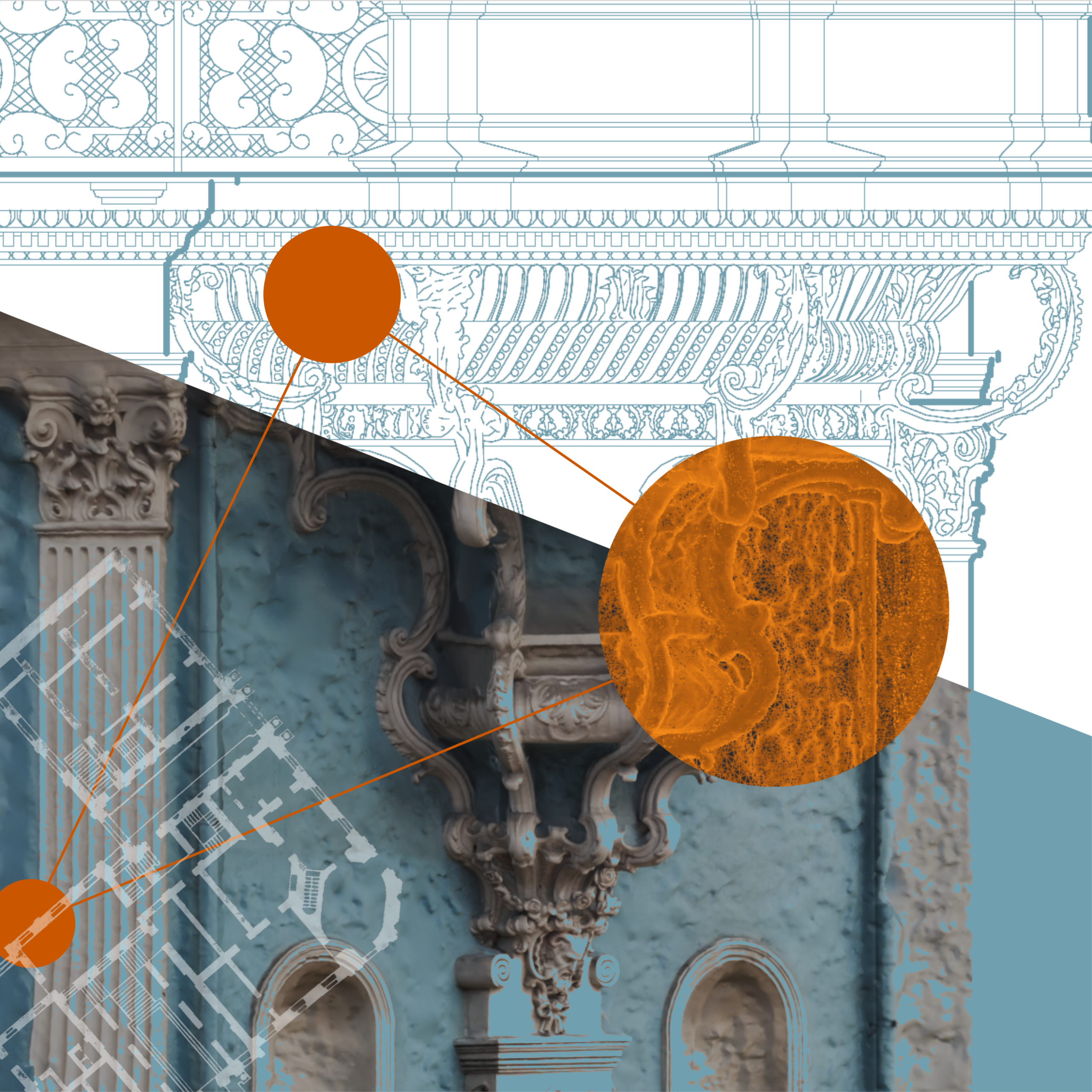
The SPAADOK project implements an interactive, community-centered approach to documentation of the most valuable and vulnerable landmarks, focusing on the city of Odesa as case study for demonstration and validation. Emphasis is placed on low-threshold technologies, such as smartphone-based 3D scanning and accessible reality-capture methods, to enable broad participation. An open-source free server infrastructure will support long-term data storage and allow contributors to create and upload heterogeneous datasets even beyond the project’s duration. Considering a global shift towards digitally-driven monument preservation and the Heritage Building Information Modeling (HBIM) maturing into a conservation methodology, the resulting digital infrastructure will support sustainable heritage preservation for both experts and laypeople stakeholders following the FAIR principles of research data management, fostering interdisciplinary collaboration and data fusion.